

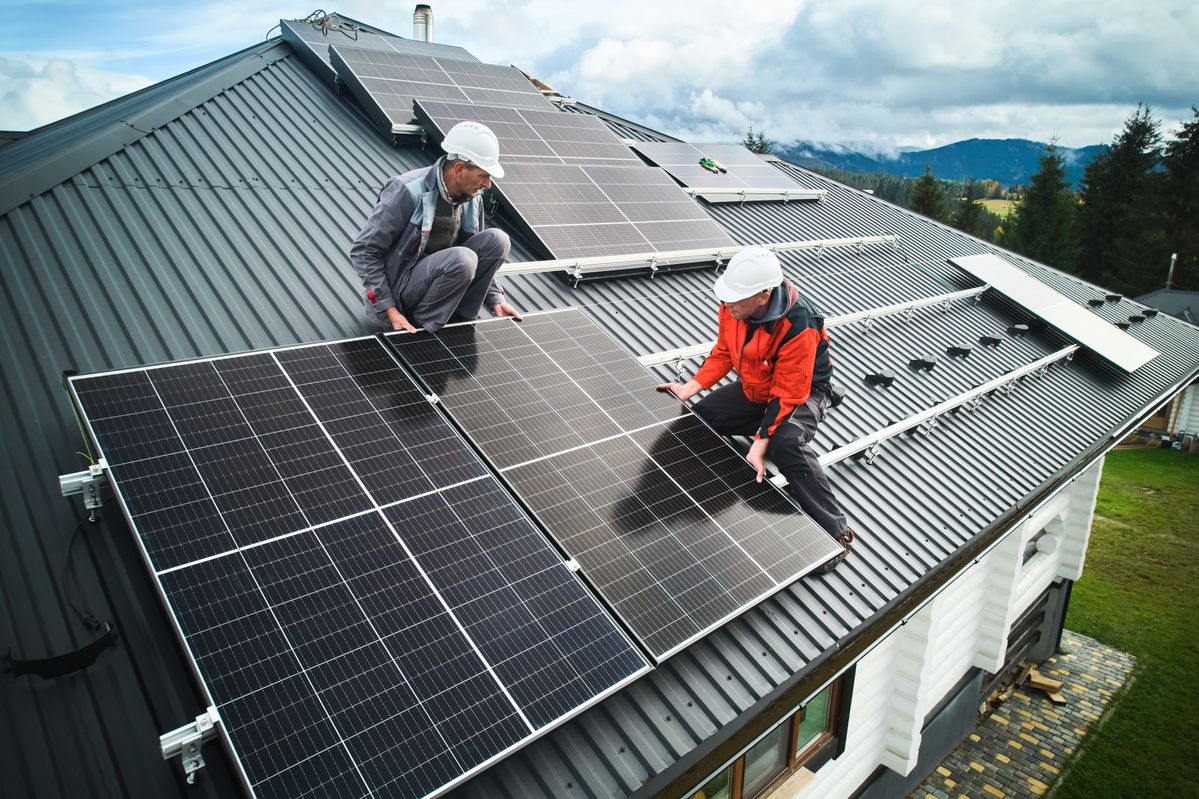
I remember the first time I actually paid attention to a passage about solar panels. It wasn’t even in a science class—it was during test prep, and I was half-focused, sipping chai, thinking it would be boring. But then something clicked. The way energy from sunlight turns into electricity… it didn’t feel abstract anymore. It felt practical. Useful. Like something that actually matters outside of exams.
That’s kind of the thing with a Solar Panels TEAS Passage—it’s not just about answering questions. If you slow down a bit, you’ll see it’s really explaining how a huge part of our future works.
Why Solar Panels Show Up in TEAS Passages
Solar energy is everywhere right now. From rooftops in cities to small setups in villages, people are switching. So it makes sense that exam creators include it. They’re not just testing reading—they’re checking if you understand everyday science.
A typical Solar Panels TEAS Passage focuses on how solar panels convert sunlight into usable energy. Sounds simple, but the questions usually dig deeper—like why certain materials are used, or how efficiency changes depending on conditions.
And honestly, once you get the logic, it’s not that hard.
How Solar Panels Actually Work (Without the Complicated Talk)
Let’s break it down in a way that sticks.
The Basic Idea
Solar panels absorb sunlight using photovoltaic cells. These cells create an electric current when exposed to light. That’s it at the core.
But here’s where it gets interesting.
What’s Happening Inside
- Sunlight hits the panel
- Electrons in the material (usually silicon) get excited
- These moving electrons create electricity
It’s kind of like giving energy to something sleepy—it wakes up and starts moving.
And yeah, in passages, they might throw in terms like “photovoltaic effect.” Don’t panic. It’s just a fancy label for that same process.
What TEAS Questions Usually Focus On
If you’ve gone through a few practice tests, you’ve probably noticed patterns.
1. Main Idea Questions
They want to know if you understood the purpose of the passage. Usually, it’s about explaining how solar energy works or why it’s important.
2. Detail-Based Questions
These can be tricky. They might ask about specific parts of the process or materials used.
3. Vocabulary in Context
Words like “efficiency” or “renewable” pop up a lot. Don’t memorize definitions—understand how they’re used.
A Small Tip That Actually Helps
When I practiced with a Solar Panels TEAS Passage, I stopped trying to rush through it.
Instead, I read it like I was explaining it to someone else. Like, “Okay, so sunlight hits this… then this happens…”
It sounds simple, but it works. You start seeing the flow instead of random facts.
Why This Topic Matters Beyond the Exam
Look around—electric bills are rising, fuel isn’t getting cheaper, and everyone’s talking about sustainability.
Solar panels aren’t just a test topic. They’re becoming part of everyday life.
I’ve seen houses in my area slowly switch to solar setups. At first, people were unsure. Now? They’re saving money and dealing with fewer power cuts. That’s the real impact.
So when you read a Solar Panels TEAS Passage, you’re actually learning something useful—not just cramming for a test.
Common Mistakes Students Make
Let’s be real, a lot of mistakes come from overthinking.
- Trying to memorize instead of understand
- Ignoring small details in diagrams or examples
- Rushing through the passage
And sometimes… just assuming it’s too technical when it really isn’t.
Final Thoughts
Solar panels might sound like a heavy topic at first, but once you break it down, it’s surprisingly straightforward. The key is to stay curious, not intimidated.
Read the passage like it’s telling you a story—because it kind of is. A story about how we’re slowly changing the way we power our world.
And who knows, maybe next time you see solar panels on a rooftop, you’ll actually think about what’s happening there.
FAQs
What is a Solar Panels TEAS Passage?
It’s a reading passage in the TEAS exam that explains how solar panels work, often testing your understanding of scientific concepts and reading skills.
Do I need a science background to understand it?
Not really. Basic logic and careful reading are enough. The passage usually explains everything you need.
What should I focus on while reading?
Pay attention to the process—how sunlight turns into electricity—and any key terms used in context.
Are diagrams important in these passages?
Yes, sometimes they are. They can actually make things easier if you take a moment to look at them properly.
How many times should I practice this topic?
A few solid practice sessions are enough. Focus on understanding rather than repetition.
