

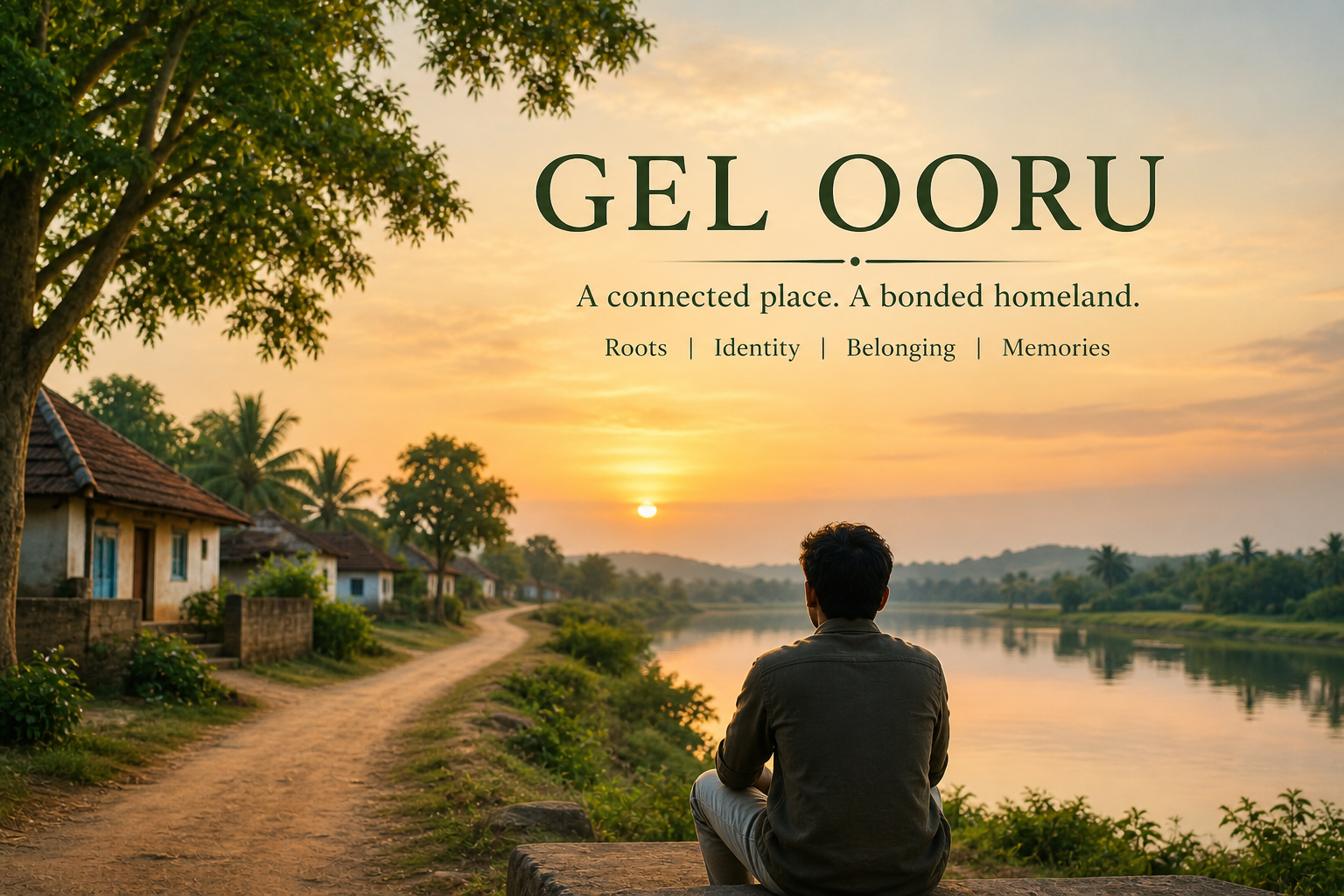
Gel Ooru is a concept that cannot be fully understood through a simple definition because it carries emotional, cultural, and symbolic meaning. It is often associated with the idea of belonging, origin, and connection to a place or community that shapes a person’s identity. Instead of being just a word, Gel Ooru represents a feeling that people carry within themselves throughout their lives.
In different contexts, it may refer to a physical hometown, a cultural environment, or even a symbolic space where a person feels emotionally grounded. What makes Gel Ooru interesting is that it does not remain fixed in meaning. It changes depending on personal experience, cultural background, and modern interpretation. This flexibility is the reason why it continues to be relevant in both traditional and contemporary discussions.
Linguistic and Conceptual Meaning of Gel Ooru
The meaning of Gel Ooru can be understood by looking at its structure. The word “Ooru” is commonly used in several South Asian languages to describe a village, town, or place of origin. It represents the physical space where a person belongs or where their roots are formed. On the other hand, “Gel” is often interpreted as connection, bonding, or unity.
When these two ideas come together, Gel Ooru becomes a concept that expresses “a connected place” or “a bonded homeland.” However, it is important to understand that this is not a strict translation. Instead, it is a symbolic interpretation that reflects emotional attachment rather than geographical definition.
In this sense, Gel Ooru is not just about where someone lives or comes from, but about how deeply they are connected to that place in terms of memory, identity, and emotional experience. It becomes a reflection of how human beings relate to their origins.
Cultural Meaning and Traditional Understanding
In traditional societies, the idea of “Ooru” holds great importance because it represents more than just land or location. It is deeply connected to family history, community structure, and shared cultural values. People often identify themselves based on their village or hometown, which becomes an important part of their identity.
Gel Ooru strengthens this idea by adding the dimension of emotional bonding. It reflects not only where a person belongs but also how strongly they feel connected to that place. In traditional settings, communities are closely connected, and people grow up sharing experiences, festivals, customs, and daily life with one another. This creates a strong emotional foundation that stays with individuals even when they move away.
From a cultural perspective, Gel Ooru represents continuity. It carries forward traditions, language, and collective memory from one generation to another. It is a reminder that identity is not created in isolation but shaped by the environment and people around us.
Emotional Depth and Human Connection
One of the most powerful aspects of Gel Ooru is its emotional depth. It is closely linked with feelings of nostalgia, memory, and belonging. Many people associate it with their childhood, family life, and early experiences that shaped their personality.
When individuals leave their hometowns for education, work, or other opportunities, they often develop a stronger emotional connection to their roots. Distance makes memories more meaningful, and places from the past become symbols of comfort and identity. Gel Ooru captures this emotional experience in a broader sense.
It is not just about missing a physical location but about missing a way of life, a sense of familiarity, and a feeling of being understood. This emotional layer is what makes the concept deeply human and universally relatable, regardless of culture or background.
Social Structure and Community Life
Gel Ooru is also connected to the idea of community living. In many traditional societies, people do not live isolated lives. Instead, they are part of closely connected social systems where relationships play an important role in everyday life.
In such environments, people support each other during celebrations, difficulties, and daily routines. There is a strong sense of mutual responsibility and shared identity. Gel Ooru reflects this structure by symbolizing a place where people are not just individuals but part of a larger collective.
This sense of belonging helps build trust, cooperation, and emotional security within communities. Even when people move away, they often carry these values with them, showing how deeply social environments influence personal identity.
Modern Interpretation and Changing Meaning
In the modern world, Gel Ooru has evolved beyond its traditional understanding. Today, it is not only associated with physical villages or towns but also with symbolic and emotional spaces. People use it to describe environments where they feel connected, whether physical or digital.
With globalization and urban migration, many individuals live far away from their original hometowns. Despite this, they still maintain emotional ties to their roots. Gel Ooru becomes a way of expressing that connection in a modern context.
It is also used in creative fields such as writing, branding, and storytelling to represent ideas of identity, belonging, and cultural depth. Because it is flexible in meaning, it fits well into modern expressions where emotional and symbolic language is important.
Digital Age and Virtual Communities
In today’s digital era, human connection is no longer limited to physical spaces. Online platforms have created new forms of communities where people interact, share, and build relationships without geographical boundaries.
Gel Ooru can also be understood in this digital context as a metaphor for online communities that feel like a shared space. These virtual environments allow people to connect based on interests, values, or goals, creating a sense of belonging similar to traditional communities.
Even though these connections are digital, the emotional experience can be very real. People often form strong bonds in online spaces, showing that the idea of “home” or “community” can exist beyond physical locations.
Identity, Memory, and Personal Growth
Gel Ooru plays an important role in shaping personal identity because it connects individuals to their past. A person’s upbringing, surroundings, and early experiences all contribute to who they become later in life.
Memory is a key part of this process. The places people grow up in, the people they meet, and the traditions they experience all become part of their internal identity. Gel Ooru represents this connection between memory and self-understanding.
As people grow and change, they often revisit their roots mentally or emotionally. This reflection helps them understand their journey and maintain a sense of balance between past and present.
Psychological Importance of Belonging
From a psychological perspective, Gel Ooru relates closely to the human need for belonging and security. Every individual naturally seeks connection with others and with familiar environments.
When people feel disconnected, they may experience emotional discomfort or instability. Concepts like Gel Ooru help restore that sense of grounding by reminding individuals of their roots and identity.
This connection provides emotional strength and stability, especially in unfamiliar environments. It helps people feel that they are part of something larger than themselves, which is essential for mental well-being.
Creative and Symbolic Expression
In literature and art, Gel Ooru is often used as a metaphor for emotional journeys, memory, and identity. Writers may use it to represent a lost homeland, a dream-like place, or a symbolic space of belonging.
Because it does not have a strict definition, it allows for creative freedom. Artists and storytellers can shape its meaning based on the emotions they want to express. This makes it a powerful tool for symbolic communication.
It can represent joy, nostalgia, loss, or even hope depending on how it is used in a narrative. This versatility is what gives it artistic value.
Conclusion
Gel Ooru is a concept that goes far beyond a simple definition. It represents emotional connection, cultural identity, and the human need for belonging. Whether understood as a physical hometown, a cultural environment, or a symbolic space, it carries deep meaning for individuals and communities.
In both traditional and modern contexts, Gel Ooru continues to remain relevant because it reflects something universal—the connection between people and their roots. It reminds us that no matter how far we travel or how much life changes, our sense of belonging always stays connected to where we come from.
