

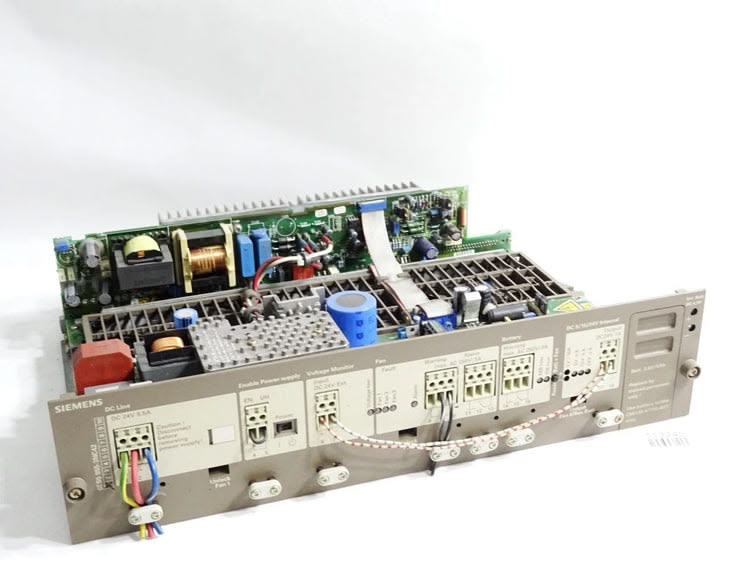
The Luxman R-1120 is a classic stereo receiver admired for its warm analog sound and solid engineering. However, like many vintage amplifiers, it can develop age-related electrical issues. One of the most frustrating problems owners report is when the unit keeps blowing a fuse immediately at startup.
If your Luxman R-1120 blows the fuse as soon as you switch it on, it’s a sign that something inside the amplifier is drawing excessive current or shorting the circuit. This is not something to ignore or repeatedly “test with new fuses,” as it can lead to further damage.
This article explains the real causes behind this issue, how to troubleshoot it safely, and what steps you can take before sending it to a technician.
Understanding the Problem
When an amplifier like the Luxman R-1120 blows a fuse at startup, it means the electrical current exceeds safe limits instantly. The fuse is designed as a protective barrier—so instead of damaging expensive components, it sacrifices itself.
In most cases, this is not a random failure. It usually indicates a deeper electrical fault inside the amplifier’s power supply or output stage.
Common Causes of Fuse Blowing in Luxman R-1120
1. Shorted Output Transistors
One of the most common reasons for this issue is a shorted output transistor. These components handle the power sent to your speakers. If one fails internally, it can create a direct short circuit, causing the fuse to blow instantly.
This is especially common in older units where thermal stress has weakened semiconductor junctions over time.
2. Faulty Power Supply Components
The power supply section is another frequent culprit. Faulty rectifier diodes, shorted capacitors, or a failing transformer can all cause excessive current draw at startup.
A swollen or leaking capacitor is often a visible clue that the power supply is compromised.
3. Bridge Rectifier Failure
The bridge rectifier converts AC power into DC. If it becomes shorted, it can send uncontrolled current through the system. This almost always results in an immediate fuse blow when the unit is powered on.
4. Speaker Output Short or Wiring Issue
Sometimes the issue is external rather than internal. A damaged speaker cable or a shortened speaker terminal can cause the amplifier to trip the fuse instantly.
Before opening the unit, it is always worth disconnecting all speakers and testing again.
5. Incorrect Fuse Rating
Using the wrong fuse type or rating can also create problems. If a fuse with too low amperage is installed, it will blow even under normal startup conditions. Always verify the correct specification in the service manual.
6. Aging Internal Components
Since the Luxman R-1120 is a vintage receiver, many internal parts are decades old. Electrolytic capacitors dry out, solder joints crack, and resistors drift from their original values. Any of these can contribute to unstable current flow.
Safe Troubleshooting Steps
If your amplifier is blowing fuses, follow a careful step-by-step approach:
Step 1: Disconnect Everything
Unplug speakers, input devices, and any external connections. This rules out external shorts.
Step 2: Use the Correct Fuse Only
Check the manual for the correct fuse rating and type. Never use a higher-rated fuse as a “test,” as it can cause serious damage.
Step 3: Visual Inspection
Open the unit carefully (if you have experience with electronics safety). Look for:
- Burnt components
- Bulging capacitors
- Discolored circuit boards
- Loose wiring
Step 4: Check Power Transistors
A multimeter can help test output transistors for shorts between terminals. If a short is found, replacement is necessary.
Step 5: Test Without Load
If no obvious damage is visible, try powering the unit with no speakers connected. If it still blows a fuse, the fault is internal.
When the Problem Is Deeper
In many Luxman R-1120 cases, the issue is not a single part but a chain reaction caused by aging components. For example, a weak capacitor may overload a transistor, which then shorts and blows the fuse.
At this stage, repair requires:
- Circuit-level diagnosis
- Replacement of multiple components
- Recalibration after repair
This is where professional servicing becomes important, especially for vintage hi-fi gear.
Preventing Future Fuse Issues
Once repaired, you can reduce the chance of recurrence by:
- Keeping the amplifier in a well-ventilated space
- Avoiding overheating during long listening sessions
- Periodically checking speaker wiring
- Not powering on/off rapidly in short intervals
- Replacing aging capacitors proactively
Vintage amplifiers benefit greatly from preventive maintenance rather than waiting for failure.
FAQ – Luxman R 1120 Blowing Fuse at Start up
Why does my Luxman R-1120 blow a fuse immediately when turned on?
This usually happens due to a shorted output transistor, faulty power supply component, or internal short circuit drawing excessive current at startup.
Can I keep replacing the fuse to test the amplifier?
No. Replacing fuses repeatedly without fixing the underlying issue can cause further damage to internal components.
Is it safe to power on the amplifier without speakers?
Yes, disconnecting speakers is actually recommended during troubleshooting to rule out external short circuits.
Could old capacitors cause this problem?
Yes. Dried or failing electrolytic capacitors can cause instability in the power supply, leading to fuse failure.
How expensive is it to repair this issue?
It depends on the damage. Simple transistor replacement is relatively affordable, but full power board restoration or multiple component failures can increase cost.
Should I repair it myself?
Only if you have experience with electronics repair. The Luxman R-1120 operates with high voltage, and incorrect handling can be dangerous.
Final Thoughts
A Luxman R 1120 blowing fuse at start up is not a random inconvenience—it is a protective response to a serious internal fault. While the amplifier is built with high-quality components, time and heat eventually take their toll.
Careful troubleshooting can help identify whether the issue is external, like speaker wiring, or internal, such as failed transistors or capacitors. In most cases, proper repair and restoration can bring the amplifier back to its original performance and preserve its classic sound for years to come.
