

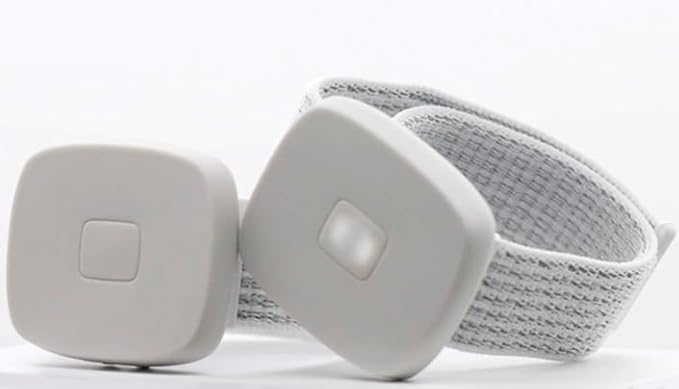
I remember the first time I heard about these little devices. Someone casually mentioned them during a late-night conversation about stress, and I honestly thought… tabs that buzz? That’s supposed to help your brain?
But curiosity has a way of sticking around. So I looked deeper into wireless bilateral stimulation tabs product info and reviews, and things started to make more sense.
What Are Wireless Bilateral Stimulation Tabs?
At their core, these tabs are small handheld devices designed to create gentle, alternating vibrations — one in each hand. That back-and-forth sensation is what’s called bilateral stimulation.
It’s often linked to techniques used in trauma therapy, especially EMDR (Eye Movement Desensitization and Reprocessing). Sounds heavy, I know… but the idea is actually simple:
Your brain responds to rhythmic, alternating input in a way that can help calm your nervous system.
And instead of following eye movements like traditional therapy, these tabs bring that same effect into your hands.
Why People Are Talking About Them
There’s been a quiet buzz (no pun intended) around these devices lately. Not just therapists — regular people too.
Stress and Anxiety Relief
A lot of users say the tabs help them settle down during overwhelming moments. Think of it like giving your mind something steady to focus on when everything else feels chaotic.
I’ve seen people describe it as “grounding,” which feels accurate.
Better Focus
Some reviews mention improved concentration, especially during work or study sessions. It’s not like flipping a switch, but more like… easing mental clutter.
Sleep Support
This one surprised me. A few users said they use the tabs before bed to wind down. The rhythmic sensation can feel almost meditative.
My Take After Reading Through Reviews
Going through wireless bilateral stimulation tabs product info and reviews, a pattern starts to show.
People don’t treat this as a miracle gadget. And that’s actually a good sign.
Instead, they talk about small shifts:
- feeling a bit calmer during stressful calls
- falling asleep a little faster
- handling anxious thoughts with more control
That kind of feedback feels real. Not exaggerated. Not salesy.
But yeah, not everyone has the same experience.
Some users say they didn’t feel much at all. And honestly, that makes sense — anything related to the brain and emotions isn’t one-size-fits-all.
Things Worth Noticing Before You Buy
It’s Not Therapy on Its Own
These tabs can support emotional regulation, sure. But they’re not a replacement for professional help if you need it.
Build Quality Matters
Different brands offer different quality levels. Some feel solid and smooth, others… a bit cheap. That can affect your experience more than you’d expect.
Adjustable Settings Are a Big Plus
Being able to control vibration intensity or patterns makes a huge difference. What feels relaxing to one person might feel distracting to another.
Who Might Actually Benefit?
From everything I’ve seen, these tabs seem most helpful for:
- People dealing with mild anxiety or daily stress
- Anyone curious about mindfulness tools but struggling to sit still
- Folks who like physical, sensory ways to relax
If you’re expecting a dramatic, overnight transformation… this probably isn’t it.
But if you’re open to subtle improvements? That’s where they shine.
A Real-Life Kind of Scenario
Imagine you’re sitting there, heart racing before an important meeting. You grab the tabs, hold them, and feel that steady left-right rhythm.
Nothing magical happens.
But after a minute or two, your breathing slows. Your thoughts aren’t bouncing around as much.
That’s the kind of effect people describe. Small, but noticeable.
Final Thoughts
After digging through tons of wireless bilateral stimulation tabs product info and reviews, I’d say this:
They’re not hype-driven nonsense… but they’re also not for everyone.
What they offer is simple — a physical way to reconnect with your body and slow things down a bit. And sometimes, that’s exactly what people need.
If you’re someone who responds well to sensory input or grounding techniques, it might be worth trying.
Just keep your expectations realistic.
FAQs
Do wireless bilateral stimulation tabs really work?
For some people, yes. They can help with relaxation and focus. But results vary depending on the person and how they use them.
Are they safe to use daily?
Generally, yes. Most devices are designed for regular use. Still, it’s smart to follow the manufacturer’s guidelines.
Can they replace therapy?
No, they shouldn’t be seen as a replacement. Think of them as a supportive tool, not a solution.
How long should you use them in one session?
Many users stick to 5–20 minutes per session. It really depends on what feels comfortable for you.
Are they worth buying?
If you’re curious about mindfulness tools and don’t mind experimenting a bit, they can be worth a try. Just don’t expect instant results.
